

Restorative Dentistry
Porcelain Dental Crown
A porcelain crown is a ceramic restoration covering the whole tooth. Ceramic is often selected where the tooth is visible and a natural surface appearance is important.

Treatment overview
Porcelain crowns may be all-ceramic or built on a substructure. All-ceramic options avoid a metal core, which can help appearance at the gum margin.
The ceramic is layered or characterised to reproduce the translucency and surface texture of neighbouring teeth.
These are the restorations shown in several of the documented cases in our results gallery, where the treatment recorded on the case is porcelain crowns.
Why patients consider porcelain dental crown
- A visible tooth is heavily damaged and requires full coverage.
- An older crown with a visible dark margin is being replaced.
- Several front teeth are being restored together as part of a planned design.

Consultation and suitability
Enough sound tooth structure must remain to retain the crown.
Heavy grinding influences material choice and may make a stronger ceramic more appropriate.
Gum health at the margin is important for the final appearance.
A clinical examination is required before any treatment plan can be confirmed. Suitability depends on your individual oral health.
The treatment process
Consultation and shade
Examination, discussion of appearance and careful shade selection, ideally in natural light.
Preparation
The tooth is shaped under local anaesthetic; an impression or digital scan is taken.
Temporary phase
A temporary crown maintains appearance and protects the tooth.
Fabrication
The ceramic crown is made and characterised by the laboratory or milled and finished.
Fitting and review
Try-in for fit, contour and shade; cementation or bonding; bite check and follow-up.
Materials and techniques
- All-ceramic
- No metal substructure, which can improve appearance particularly near the gum line.
- Porcelain fused to metal
- A ceramic layer over a metal core; a well-established option where strength is a priority.
Aftercare
- Daily cleaning of the crown margin, including between teeth.
- Avoid biting hard objects with restored front teeth.
- Wear a night guard if grinding has been identified.
- Attend routine reviews.
Limitations and risks
Every treatment has trade-offs. These are the ones worth understanding before you decide.
- Tooth preparation is irreversible.
- Ceramic can fracture, especially under heavy or uneven loading.
- Decay can still develop at the margin if cleaning is inadequate.
- Matching a single crown to natural neighbouring teeth is technically demanding and may not be perfect in every light.
Results from the clinic
Cases supplied by Dental Art Alanya where the recorded treatment was porcelain dental crown.
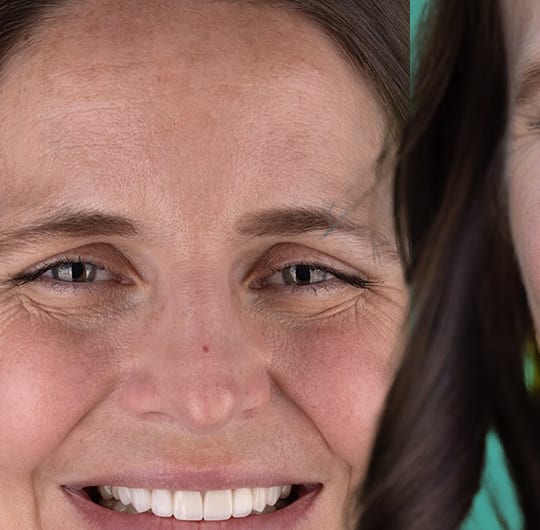
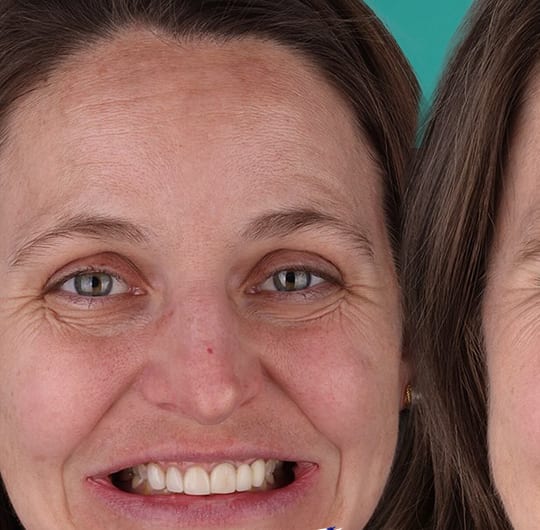
StellaUnited Kingdom


AngelaGermany


OliverUnited Kingdom


Treatment results vary for each patient. Images are shared with permission and are provided for informational purposes.
See all documented casesWho would carry this out

Esra Namlı
Dentist

Umut Çağdaş Ateş
Dentist


Which clinician carries out your treatment is confirmed by the clinic. Names and titles are published exactly as supplied.
Frequently asked questions
Both are ceramic. Zirconia is generally stronger; layered porcelain and glass-ceramics are often preferred where translucency is the priority. Your dentist selects per tooth.
The ceramic itself is stable. The appearance can change if the surrounding natural teeth alter in shade or if the gum margin recedes.
Small chips can sometimes be polished or repaired; larger fractures usually require replacement.
Related treatments
Medical disclaimer. Information on this website is provided for general informational purposes and does not replace a clinical examination or professional dental advice. Treatment suitability, duration and outcomes vary by patient.