

Cosmetic Dentistry
Dental Veneers
A veneer is a thin ceramic facing bonded to the front surface of a tooth. Veneers are used to adjust colour, shape, width and the way light reflects from the front teeth.

Treatment overview
Veneers are made in a dental laboratory or milled from a ceramic block, then bonded to the prepared front surface of the tooth. Because they cover only the visible face of the tooth, less tooth structure is usually removed than for a full crown.
They are most often used on the upper front teeth, where appearance matters most and biting forces are lower than at the back of the mouth.
Planning is the most important part. Shape, length and colour are agreed before any preparation begins, so that the finished result matches what was discussed.
Why patients consider dental veneers
- Front teeth are discoloured in a way that whitening alone does not change.
- Teeth are chipped, worn at the edges or slightly uneven in shape.
- There are small gaps between the front teeth.
- Existing fillings on front teeth no longer match the surrounding tooth.

Consultation and suitability
Veneers rely on healthy underlying tooth structure and healthy gums. Decay and gum problems are addressed first.
If teeth are significantly out of alignment, orthodontic treatment may achieve a better result than masking the position with ceramic.
Heavy grinding or clenching affects how long thin ceramic lasts, and will be discussed before treatment is planned.
A clinical examination is required before any treatment plan can be confirmed. Suitability depends on your individual oral health.
The treatment process
Consultation and planning
Examination, photographs and a discussion about the shape and colour you would like. Your dentist explains what is realistic for your teeth.
Preview
Where appropriate, a mock-up or digital preview is used so you can see a proposed shape before preparation begins.
Preparation
A small amount of enamel is usually reshaped so the veneer can sit flush with the neighbouring teeth. An impression or digital scan is taken.
Temporary phase
Temporary veneers may be fitted while the definitive ones are made, depending on how much preparation was needed.
Fitting
The veneers are tried in, checked for fit, colour and shape, then bonded in place and polished.
Review
The bite is checked and cleaning around the margins is explained.
Materials and techniques
- Ceramic veneers
- Made from a glass-ceramic or similar material chosen for how it handles light. The specific system is selected by your dentist for your case.
- Bonding
- Veneers are attached with an adhesive resin cement; the bond to enamel is a key part of how the restoration performs.
Aftercare
- Brush and clean between the teeth as normal — the margin where the veneer meets the tooth needs daily attention.
- Avoid using front teeth to bite very hard objects such as ice or packaging.
- If you grind your teeth, wear the protective appliance your dentist provides.
- Attend routine check-ups so the margins and gum health can be reviewed.
Limitations and risks
Every treatment has trade-offs. These are the ones worth understanding before you decide.
- Preparing a tooth for a veneer is not reversible.
- Ceramic can chip or debond, particularly under heavy biting forces.
- Veneers do not change colour with whitening later, so shade is decided in advance.
- Veneers mask position but do not move teeth; where alignment is the main concern, orthodontics may be more suitable.
- Longevity varies with material, bite and oral hygiene.
Results from the clinic
Cases supplied by Dental Art Alanya where the recorded treatment was dental veneers.

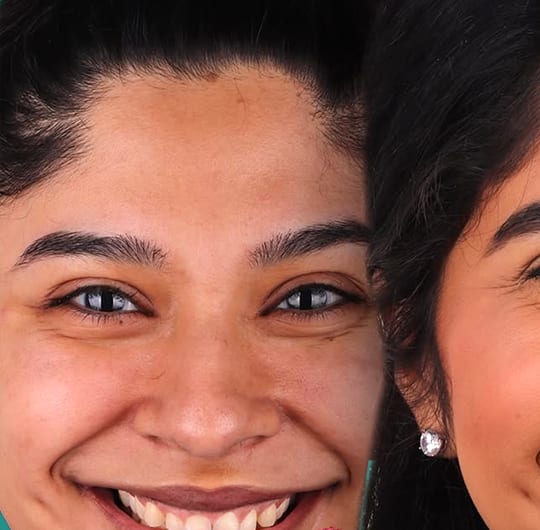
MarieNetherlands


FleurNetherlands


JuliaNetherlands


Treatment results vary for each patient. Images are shared with permission and are provided for informational purposes.
See all documented casesWho would carry this out

Esra Namlı
Dentist

Umut Çağdaş Ateş
Dentist


Which clinician carries out your treatment is confirmed by the clinic. Names and titles are published exactly as supplied.
Frequently asked questions
Preparation removes a small amount of enamel, which does not grow back. This is why planning and a clear discussion of alternatives comes first.
Appearance depends on planning, shade selection and the shapes chosen. Discussing what you want in detail — and reviewing a preview where possible — makes a natural result more likely.
That depends on how many teeth show when you smile and what you want to change. Your dentist will advise after examining your smile line.
A veneer covers the front surface of a tooth; a crown covers the whole tooth. Crowns are usually chosen when a tooth is heavily damaged or root treated.
Related treatments
Medical disclaimer. Information on this website is provided for general informational purposes and does not replace a clinical examination or professional dental advice. Treatment suitability, duration and outcomes vary by patient.